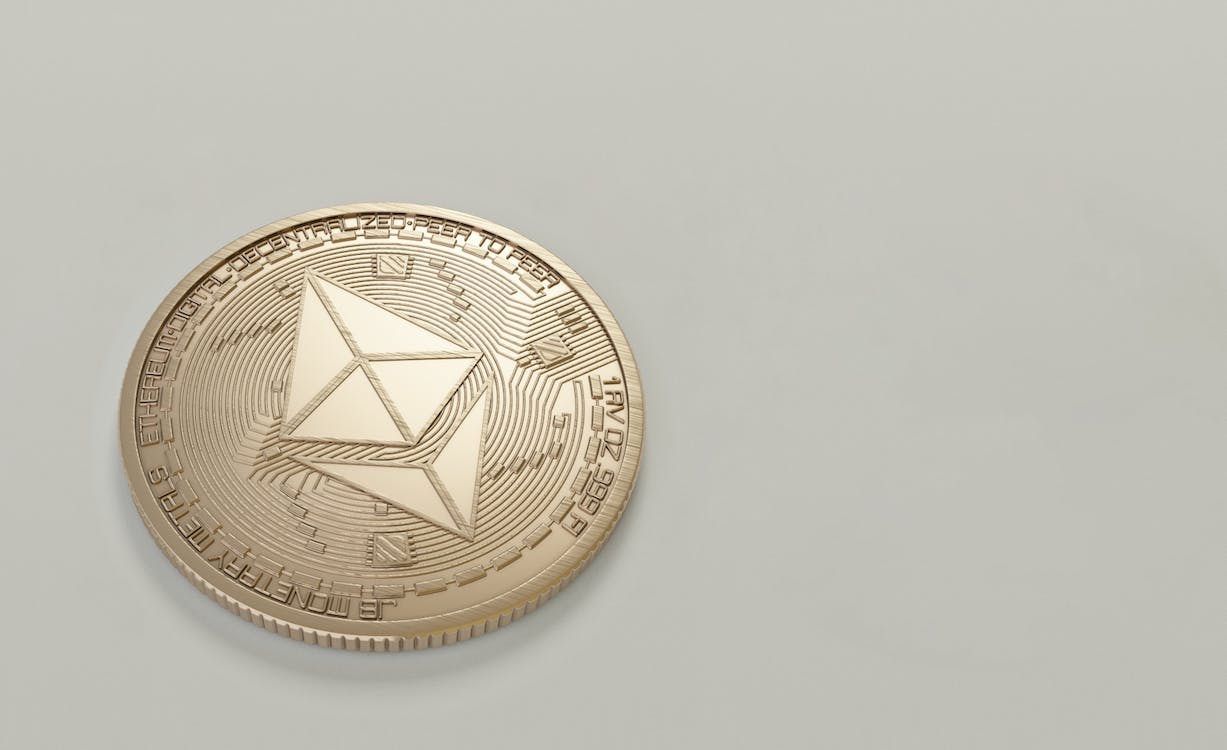
Ethereum 101: Exploring Smart Contracts and DApps
in Crypto & BlockchainAbout this course
Ethereum is a decentralized, open-source blockchain platform that allows developers to build and deploy smart contracts and decentralized applications (DApps). It was proposed by Vitalik Buterin in late 2013 and went live on July 30, 2015. Unlike Bitcoin, which primarily serves as a digital currency, Ethereum's primary focus is on enabling programmable contracts and applications.
1. Smart Contracts:
A smart contract is a self-executing contract with the terms of the agreement written directly into code. It automatically executes the terms of the agreement when certain predefined conditions are met. Smart contracts run on the Ethereum Virtual Machine (EVM), a decentralized runtime environment that ensures the code's execution across the network.
Key Features of Smart Contracts:
- Autonomy: Smart contracts execute automatically when conditions are met, removing the need for intermediaries.
- Trust: The execution of smart contracts is transparent and recorded on the blockchain, ensuring a trustless environment.
- Security: Once deployed on the blockchain, smart contracts are immutable, making them secure from tampering or unauthorized changes.
2. Ethereum Virtual Machine (EVM):
The Ethereum Virtual Machine is a runtime environment for executing smart contracts. It abstracts the underlying complexity of the Ethereum network and allows developers to write smart contracts in various programming languages like Solidity, Vyper, and others. All EVM nodes execute smart contract code, ensuring consensus and agreement on contract execution across the network.
3. Gas and Gas Fees:
Gas is a unit used to measure the computational effort required to execute a transaction or a smart contract on the Ethereum network. Each operation in a smart contract consumes a specific amount of gas. Gas fees are the charges paid by users to compensate for the computation and storage resources utilized by their transactions or smart contracts.
4. Decentralized Applications (DApps):
Decentralized Applications (DApps) are applications that run on a decentralized network like Ethereum rather than on centralized servers. These applications leverage the security, transparency, and decentralization of the blockchain. DApps are open-source and have no single point of control, making them censorship-resistant and less prone to failures.
Key Characteristics of DApps:
- Open Source: DApps are built on open-source code, allowing anyone to inspect, modify, or contribute to the application's development.
- Decentralization: DApps operate on a blockchain or a decentralized peer-to-peer network, removing the need for a central authority.
- Tokens: Many DApps use native tokens (like ERC-20 tokens on Ethereum) to incentivize users and reward network participants.
5. Use Cases of Smart Contracts and DApps:
- Financial Applications: Decentralized finance (DeFi) platforms allow users to borrow, lend, trade, and earn interest on digital assets using smart contracts.
- Supply Chain Management: Smart contracts enable transparency and traceability in supply chain processes, reducing fraud and increasing efficiency.
- Gaming: DApps have enabled provably fair gaming, allowing users to verify the fairness of games using blockchain technology.
- Digital Identity: Smart contracts can facilitate secure and verifiable digital identity systems.
- Voting and Governance: DApps can be used to create decentralized voting systems and governance mechanisms.
In conclusion, Ethereum is a powerful platform that has opened up a world of possibilities for developers, entrepreneurs, and users through smart contracts and DApps. It continues to be at the forefront of blockchain innovation and decentralization.
Comments (0)
Ethereum 101: Exploring Smart Contracts and DApps