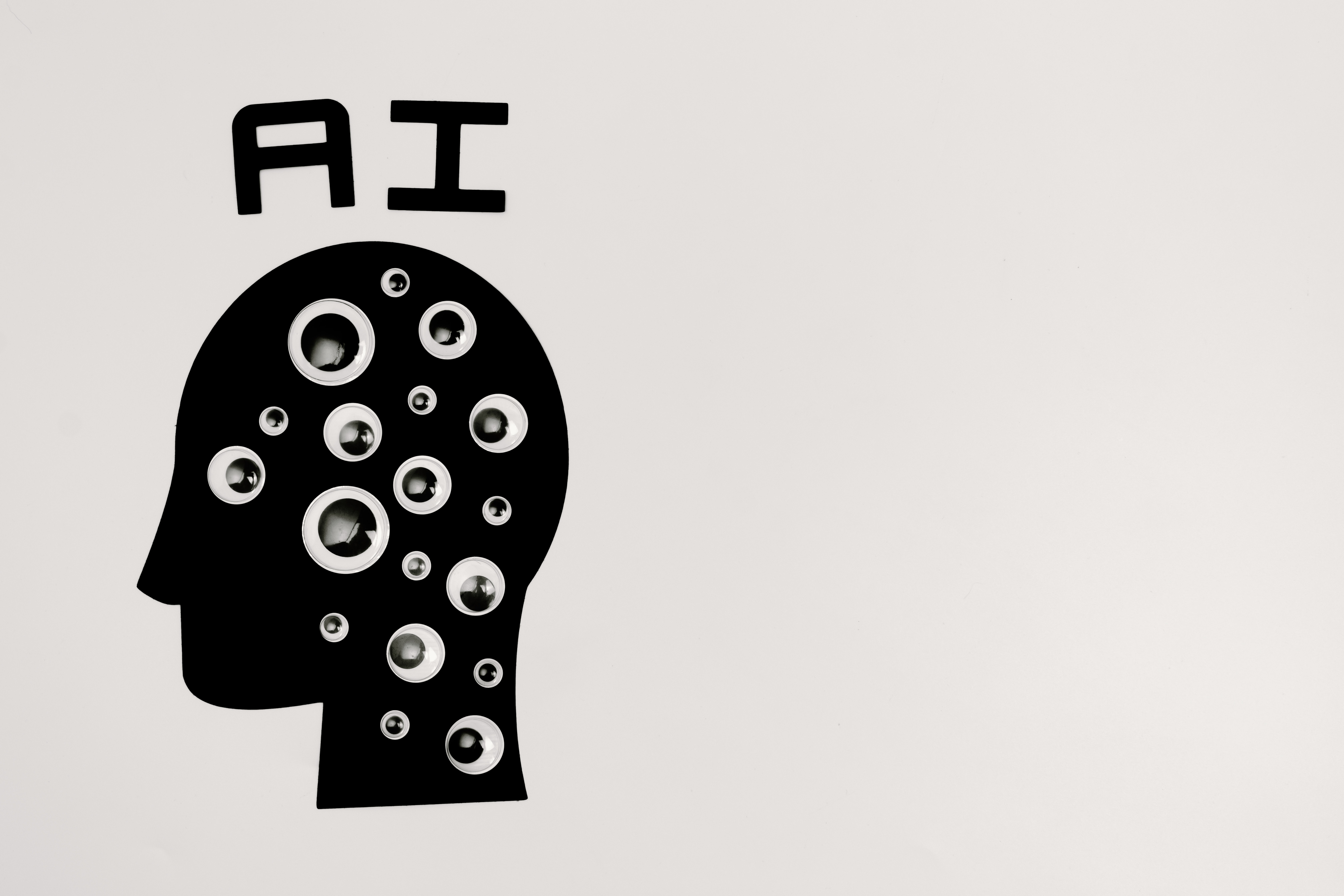
Introduction to Artificial Intelligence: Charting the AI Revolution.
in Artificial Intelligence & Machine LearningAbout this course
Title: Introduction to Artificial Intelligence: Charting the AI Revolution
Introduction:
Artificial Intelligence (AI) has emerged as one of the most transformative technologies of the modern era, revolutionizing industries and shaping the way we live, work, and interact with the world. This introduction aims to provide an overview of AI, its historical development, key concepts, applications, and the impact it has on society.
- The Evolution of AI:
The concept of AI dates back to antiquity, with mythical stories of automatons and golems. However, it wasn't until the 20th century that significant progress in AI research began. In the 1950s, pioneers like Alan Turing and John McCarthy laid the groundwork for AI as a scientific discipline. The Dartmouth Workshop in 1956 is widely considered the birthplace of AI, where the term "Artificial Intelligence" was coined.
- Understanding AI:
AI refers to the simulation of human intelligence in machines that are programmed to mimic cognitive abilities like learning, reasoning, problem-solving, perception, and language understanding. It encompasses various subfields, including machine learning, natural language processing, computer vision, robotics, and more.
- Key Concepts:
a. Machine Learning: A crucial component of AI, machine learning enables computers to learn from data and improve their performance without explicit programming. Algorithms like neural networks and decision trees have revolutionized pattern recognition and prediction tasks.
b. Neural Networks: Inspired by the human brain's neural structure, neural networks are at the forefront of many AI breakthroughs. Deep learning, a subfield of machine learning, leverages multi-layered neural networks for complex tasks like image and speech recognition.
c. Natural Language Processing (NLP): NLP focuses on teaching machines to understand and generate human language. Applications include language translation, sentiment analysis, chatbots, and voice assistants.
d. Robotics: AI-powered robots can perform tasks autonomously or with minimal human intervention. From manufacturing to healthcare and exploration, robots have broadened the scope of what AI can achieve in the physical world.
- AI Applications:
AI has found applications across various industries:
a. Healthcare: AI assists in disease diagnosis, drug discovery, personalized treatment plans, and medical image analysis.
b. Finance: AI optimizes trading strategies, detects fraud, and assesses credit risks.
c. Transportation: Autonomous vehicles are a promising AI application, offering safer and more efficient transportation solutions.
d. Entertainment: AI is used in video games, recommendation systems, and content creation.
e. Education: AI-powered adaptive learning platforms personalize educational content to individual student needs.
- Impact on Society:
AI's rapid advancement brings both benefits and challenges:
a. Job Disruption: Automation may lead to job displacement in certain industries, necessitating reskilling and upskilling of the workforce.
b. Ethical Concerns: AI raises questions about privacy, bias, transparency, and accountability in algorithmic decision-making.
c. Healthcare Advancements: AI can revolutionize healthcare, improving diagnoses and treatments, but careful implementation is required to ensure ethical usage.
Conclusion:
Artificial Intelligence is a driving force behind the ongoing technological revolution, influencing every aspect of our lives. As AI continues to evolve, it is essential for society to strike a balance between harnessing its potential for the greater good and addressing the ethical challenges it presents. By understanding the basics of AI, we can actively participate in shaping the future of this transformative technology.
Comments (0)
Introduction to Artificial Intelligence: Charting the AI Revolution.